Professional Water Line Implementation for Safe Supply
Professional water line installation serves an critical role in guaranteeing a secure and reliable water supply. Many underestimate the complexities involved, which can result in expensive mistakes. Recognizing the importance of expert participation can prevent significant upcoming issues. As codes and site conditions differ, the requirement for knowledgeable technicians grows evident. What happens when these factors are overlooked, and how can one find the right provider for their needs?
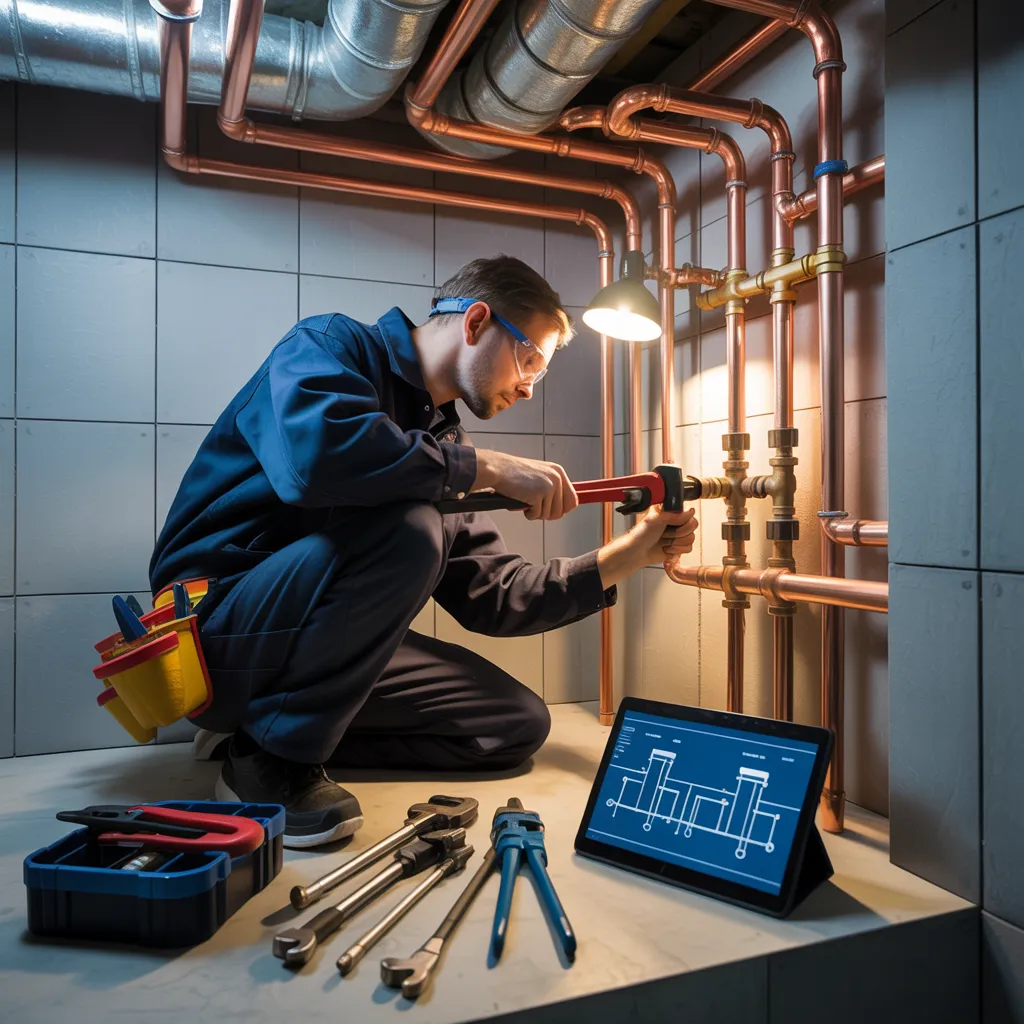
What Are the Dangers of DIY Water Line Setup?
Attempting DIY water line installation can lead to major hazards that homeowners often ignore. Many individuals downplay the complexity involved in such undertakings, which can result in improper connections and water seepage. These leaks can cause substantial water deterioration, leading to expensive fixes and potential mold growth. Additionally, without adequate understanding of local building regulations, homeowners may inadvertently violate codes, resulting in penalties or issues during future real estate dealings.
Furthermore, incorrect installation can affect water pressure and quality, resulting in health hazards if contaminants infiltrate the supply line. Tools and supplies required for the job may also be unknown, raising the probability of injuries or accidents. Finally, the time investment required for a proper setup can be significant, diverting focus from other essential tasks. In the end, the dangers associated with DIY water line installation highlight the necessity for professional knowledge to guarantee security and dependability.
Why Qualified Water Line Installation Is Essential
While some homeowners may consider tackling water line installation themselves, the expertise of professionals is critical for assuring a favorable outcome. Professional installers hold broad knowledge of local codes and requirements, which is important for observance and safety. They are experienced to detect likely issues such as soil conditions and existing infrastructure that could obstruct the installation process.
Furthermore, skilled technicians have availability of specialized tools and materials that are often essential for a flawless installation. Their experience allows for quicker and more efficient work, minimizing the chance of water damage or expensive repairs in the future.
Furthermore, contracting a professional confirms that the installation is executed with accuracy, lessening the risk of leaks or other complications. Ultimately, entrusting this task to qualified professionals enhances the reliability of the water supply, delivering peace of mind to homeowners regarding the standard and safety of their water system.
Vital Steps for Professional Water Line Installation
Installing a water line requires a series of vital procedures that ensure a secure and effective process. First, a comprehensive location evaluation is conducted to determine the optimal path for the water line, avoiding hindrances like trees and existing utilities. Next, the necessary materials, including pipes, fittings, and connectors, are chosen according to the specific requirements of the installation.
Once the planning phase is complete, excavation begins, carefully digging a trench to the appropriate depth while maintaining safety protocols. After laying the pipes, they must be securely connected and tested for leaks. Finally, the trench is backfilled, ensuring proper compaction and restoration of the surface.
During these phases, keeping clear communication with all participants is crucial, confirming that the implementation meets both safety and operational standards. Following these important steps results in a consistent water distribution system.
Area Guidelines and Regulations You Need to Be Aware Of
Before starting a water line setup, it is essential to understand the local codes and regulations that regulate such undertakings. These standards differ significantly by location and encompass various elements of setup, such as material requirements, excavation depth, and pipe separation. Adherence with these regulations ensures not only the reliability and safety of the water supply but also conformity to statutory requirements, which can avoid expensive penalties and scheduling delays.
Local construction authorities often require permits before work commences, necessitating submission of detailed plans for examination. Additionally, inspections may be required at different phases of the project to confirm adherence with safety standards. Homeowners and contractors must also be aware of any particular regulations related to environmental concerns or heritage protection in their region. By carefully comprehending and following local codes, individuals can enable an smoother installation process and support long-term water infrastructure integrity.
How to Determine If Your Water Line Requires Replacement
Deciding if a water line needs replacement is vital for keeping a sound plumbing system in good condition. Key indicators include visible signs of pipe rust, common problems with water quality, and unexplained drops in water pressure. Recognizing these indicators can help homeowners take timely action to prevent further complications.
Visible Signs of Pipe Deterioration
Visible symptoms of pipe deterioration can often signal a looming problem within a home's water line arrangement. Homeowners should stay conscious of discoloration, which may appear as rust or greenish hues on exposed pipes. These color changes suggest that the metal is deteriorating, compromising the structural integrity of the plumbing. Additionally, surface deterioration or flaking on the pipe surface can be a definitive sign of corrosion, producing probable leaks. Stains on walls or ceilings located near plumbing fixtures may also signal water damage caused by corroded pipes. If any of these indicators are present, it is essential to consult a professional for inspection and possible replacement of the affected water lines to guarantee a reliable and secure water supply.
Frequent Water Quality Issues
When homeowners experience frequent water quality issues, it could indicate the need for water line replacement. Common signs include color distortions, odd odors, or off-putting tastes in the water. These symptoms often arise from deteriorating pipes that introduce contaminants into the supply. Oxidation, mineral buildup, or biofilm can reduce the water’s safety and visual appeal. Furthermore, increased sediment can cause cloudiness, signaling possible pipe issues. Homeowners should also be alert to unusual fluctuations in water clarity or taste, as these may suggest underlying problems with the plumbing system. Regular testing of water quality and timely attention to changes can help determine when a water line replacement is essential for ensuring a healthy and fresh water supply.
Mysterious Pressure Loss Falls
Unexplained declines in water pressure may signal underlying problems within a home's plumbing system, particularly the water line. Such swings might indicate leaks, corrosion, or blockages that compromise the health of the water supply. Homeowners should monitor signs such as diminished flow from faucets or appliances, which can signal probable problems. Furthermore, sediment buildup in pipes can limit water movement, leading to pressure drops. If these symptoms remain, it is advisable to consult a professional plumber. They can conduct a thorough inspection to decide whether the water line requires replacement. Swift intervention is essential; disregarding these issues may result in more severe damage and costly repairs down the line.
Methods to Find the Premier Water Line Placement Service After Recognizing Concerns
Determining the optimal water line installation service requires diligent consideration after identifying problems. It is necessary to review neighborhood services to comprehend their services and standing. In addition, verifying qualifications and experience can guarantee that the selected service satisfies industry criteria.
Research Community Vendors
How can one confirm they opt for the top-rated water line installation service after identifying issues? The first step is to check out local providers, focusing on those with a strong reputation. Online reviews and testimonials can provide perspectives into the excellence of assistance offered by each provider. Additionally, seeking out recommendations from friends or family who have had equivalent work done can be invaluable. It is also valuable to check local business directories and industry associations for listings of qualified professionals. Comparing multiple companies allows for better assessment of fees, services offered, and customer support. A thorough awareness of local options will assure informed decision-making, ultimately leading to a reliable and efficient water line installation service.
Check Credentials And Expertise
Experience and credentials are important considerations when picking a water line installation company. Homeowners should first verify that the service provider has the required licenses and certifications required by local regulations. This guarantees compliance with safety standards and legal requirements. Additionally, assessing the company's experience in the field can provide insights into their reliability and expertise. Prospective clients should ask about past projects and seek references to evaluate customer satisfaction. Online reviews and testimonials can also provide valuable information regarding service quality. A reputable provider will willingly share their qualifications and demonstrate a track record of successful installations. By focusing on these elements, homeowners can make informed decisions and guarantee a safe and efficient water line installation.
Frequently Asked Questions
What is the Standard Timeframe for Professional Water Line Installation?
Professional water line installation typically consumes one to three days, depending on factors such as the project's complication, location, and weather conditions. Efficient strategizing and skilled labor can greatly expedite the entire process.
What Substances Are Commonly Applied for Water Line Installations?
Common materials used for water line setups include PVC, copper, PEX, and galvanized steel. Each material offers unique advantages regarding durability, adaptability, and price, making them appropriate for various plumbing applications and environmental conditions.
Does Professional Installation Work Include a Warranty?
Yes, many professional installation services furnish learn here warranties. These warranties typically comprise labor and materials, safeguarding protection against defects or issues emerging from the installation for a specified period, bestowing peace of mind to homeowners.
What should I do if My Water Line Bursts?
Should a water line burst, immediately turn off the main water supply to prevent flooding. Afterward, get in touch with a experienced plumber for repairs and assess any damage to the property to initiate necessary restoration and cleanup.
Can I enhance My Water Line During Installation?
Yes, upgrading a water line during assembly is often achievable. Homeowners should consult with professionals to decide fitting products and measurements, ensuring correspondence with existing systems while strengthening overall efficiency and quality.